Peru Itinerary with Kids: 7–10 Day Family Travel Plan (Lima, Sacred Valley, Cusco & Machu Picchu)
Peru is an incredible destination, but planning a Peru itinerary with kids can feel overwhelming.
Between Lima, Cusco, the Sacred Valley, and Machu Picchu, it’s not always clear how to structure your trip in a way that actually works—especially when you factor in altitude, travel time, and younger kids.
In this guide, I’m sharing a 7–10 day Peru itinerary for families, based on our real experience traveling with a 2- and 4-year-old.
And if you’re still figuring out how to book flights and hotels with points, start here first:
👉 Read: How to Book Peru with Points (Flights, Hotels, and Strategy)
This post may contain affiliate links, which means I may earn a commission if you make a purchase through my links, at no extra cost to you. I only recommend products, services, and travel resources that I personally use and trust.
7–10 Day Peru Itinerary with Kids (At a Glance)
If you’re planning a Peru itinerary with kids, this is the structure I would follow.
This is the exact flow I would use to balance altitude, travel time, and pacing, especially if you’re visiting Machu Picchu with a family.
7-Day Peru Itinerary with Kids
For a shorter trip, I would keep things simple and focused:
You’ll spend one night in Lima, then head straight to the Sacred Valley for three nights, followed by two nights in Cusco, and finish with one final night back in Lima before flying home.
This gives you enough time to:
adjust to altitude
visit Machu Picchu
experience both the Sacred Valley and Cusco
without feeling rushed.
10-Day Peru Itinerary with Kids
If you have closer to 10 days, I wouldn’t add more destinations.
I would slow this exact itinerary down.
Spend two nights in Lima at the beginning, extend your time in the Sacred Valley to four nights, and stay three nights in Cusco before returning to Lima for your final night.
The destinations stay the same, but the extra time makes a big difference in how the trip feels, especially with kids.
Why This Peru Itinerary Works for Families
This itinerary is built around three things that matter more than people expect when planning a trip to Peru:
Altitude adjustment, travel logistics, and pacing.
By starting in Lima, moving to the Sacred Valley first, and ending in Cusco, you give your body time to adjust gradually while keeping travel days as simple as possible.
👉 I break this down more in detail below so you can understand exactly why this structure works so well.
Why This Peru Itinerary Works (Especially with Kids)
Planning a Peru itinerary with kids is very different from planning a typical trip.
What looks good on a map doesn’t always translate well in real life, especially when you factor in altitude, long travel days, and younger kids.
This itinerary is designed around the three things that matter most in Peru: altitude, logistics, and pacing.
1. It Helps You Adjust to Altitude Gradually
One of the biggest challenges when traveling to Peru is altitude.
Cusco sits at around 11,000 feet, and if you go straight there after a long travel day, it can hit you fast. That’s true for adults, and even more unpredictable with kids.
The Sacred Valley sits lower, closer to 8,000–9,000 feet, which makes it a much better place to start.
Instead of going straight to Cusco, this itinerary has you:
arrive in Lima
fly into Cusco
and immediately continue on to the Sacred Valley
That small adjustment makes a big difference in how you feel during the first few days of your trip.
👉 Best Sacred Valley Tours for Families
2. It Minimizes Travel Time and Complicated Logistics
Another thing people underestimate when planning a Peru family itinerary is how long it takes to get between places.
Distances might not look far on a map, but travel days can add up quickly.
This itinerary keeps things simple and linear:
Lima → Cusco → Sacred Valley
Sacred Valley → Cusco
Cusco → Lima
There’s no unnecessary backtracking, and each transition has a clear purpose.
It also positions you closer to Machu Picchu by staying in the Sacred Valley first, which makes that day significantly easier and more manageable with kids.
3. It Prioritizes the Sacred Valley (Not Just Cusco)
Most Peru itineraries focus heavily on Cusco.
But in reality, the Sacred Valley is one of the best parts of the trip, especially for families.
It’s quieter, more spread out, and much more relaxed.
Instead of treating it like a quick stop, this itinerary gives you multiple nights there so you can:
slow down
explore without rushing
and actually enjoy where you are
That shift alone makes the trip feel completely different.
👉 Read more: Sacred Valley, Peru with Kids: What to Do + Family Travel Tips
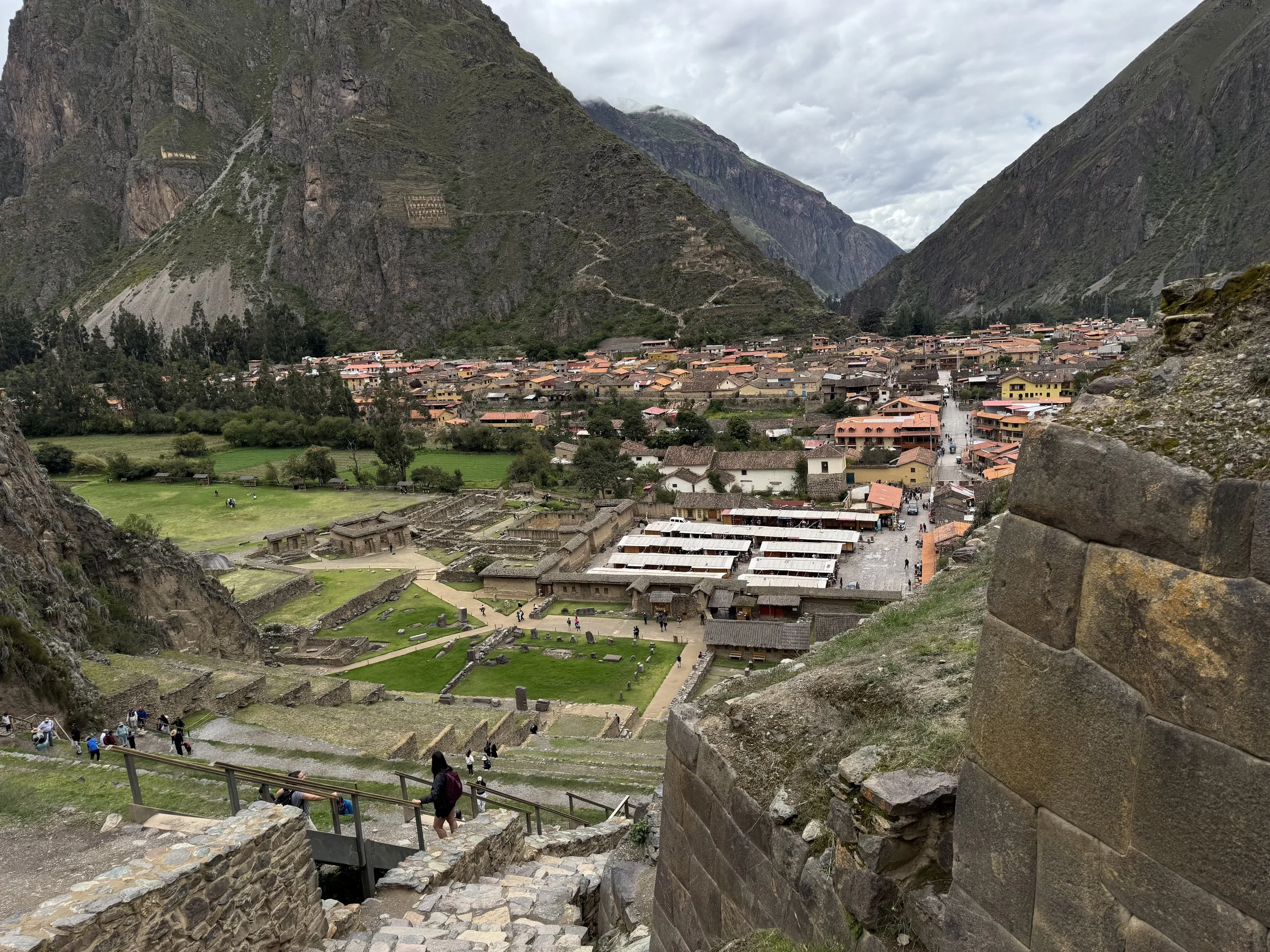
Views from the Ollantaytambo Ruins in the Sacred Valley
4. It Builds in a Better Machu Picchu Experience
Machu Picchu is the highlight of the trip, but how you structure that day matters a lot.
By staying in the Sacred Valley, you’re much closer to the train station in Ollantaytambo, which:
shortens your travel time
reduces early morning stress
and makes the day smoother overall
Trying to do Machu Picchu from Cusco adds hours of travel and can turn the day into something much more exhausting than it needs to be.
👉 If you want a full breakdown of how to plan this day, read: How to Book Machu Picchu with Kids
👉 Read More: Best Machu Picchu Tours for Families
5. It Creates a Natural Flow to the Trip
This itinerary isn’t just about where you go, it’s about the order you go in.
You start in Lima, ease into the trip in the Sacred Valley, experience Machu Picchu, then finish in Cusco once you’re fully adjusted.
That progression:
reduces stress
improves energy levels
and makes the entire trip feel more manageable
Especially with kids.

Day 1: Arrive in Lima with Kids
Most trips to Peru start in Lima, and depending on your flight, you’ll usually land either late at night or early in the morning.
This first day is not about sightseeing. It’s about recovering from travel and setting yourself up for the rest of the trip.
If you’re planning a Peru itinerary with kids, this is one of the easiest places to go wrong. It’s tempting to try to maximize your time and jump right into exploring, but after a long flight, especially with younger kids, that usually backfires.
Instead, I would treat this as a low-pressure arrival day.
If you land in the morning and feel up for it, you can spend some time in Miraflores. It’s the best area to stay in Lima with kids. It’s safe, walkable, and close to restaurants and the coastline, so it’s easy to get out for a short walk, grab a meal, and keep things simple.
But if you’re tired, which is usually the case after a long travel day, it’s completely fine to check in, relax, and not do much at all. You’re not missing anything by taking it slow here.
Where you stay on this night depends on your next day.
If you want to explore Lima, stay in Miraflores and keep things easy. This is what most people do, especially if they want a nicer first impression of the city.
But if you have an early morning flight to Cusco the next day or you’re just passing through Lima, staying near the airport can make your life much easier.
👉 Best Things to Do in Lima with Kids (Family-Friendly Guide + What’s Actually Worth It)
That said, the area around Lima’s airport is not somewhere I would book a random hotel, especially with kids.
If you go this route, I would stay at the Wyndham Grand Costa del Sol Lima Airport, which is directly connected to the airport. You don’t need to worry about transportation, and you’re not navigating unfamiliar areas late at night or early in the morning.
👉 You can check current pricing here for the Wyndham Grand Costa del Sol Lima Airport
The goal of this first day is simple.
Get settled, get some rest, and don’t overthink it.
Because how you feel going into Day 2, when you head to Cusco and the Sacred Valley, matters a lot more than anything you do in Lima.
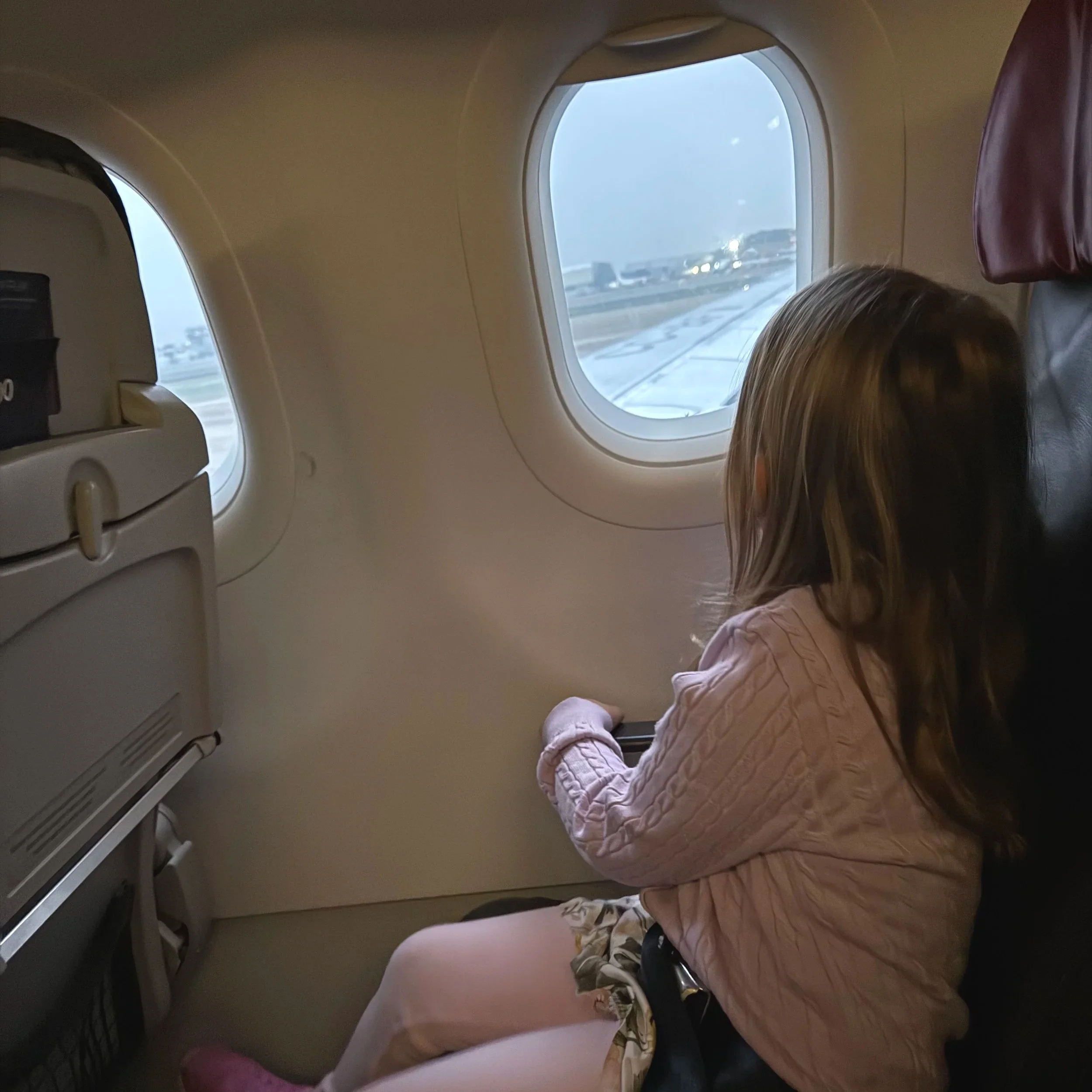
On our way from Lima to Cusco
Day 2: Fly to Cusco and Go Straight to the Sacred Valley
This is one of the most important decisions you’ll make when planning a Peru itinerary with kids, and it has a bigger impact on your trip than most people realize.
You’ll start the day by flying from Lima to Cusco.
And this is where most itineraries go in the wrong direction.
A lot of people land in Cusco and stay there right away because it feels like the main hub. It seems easier to check into one hotel and use that as a base.
But if you do that, you’re immediately dealing with altitude at around 11,000 feet.
After a travel day, with kids, that’s not ideal.
Instead, the better move is to leave Cusco as soon as you land and go straight to the Sacred Valley.
The Sacred Valley sits lower, around 8,000 to 9,000 feet, and that difference is enough to make the adjustment much easier. It gives your body time to adapt more gradually, which makes the rest of the trip feel significantly better.
Once you land in Cusco, I would arrange transportation ahead of time to either Ollantaytambo or Urubamba.
If you’re traveling with kids and want the easiest logistics for Machu Picchu later, Ollantaytambo is usually the better choice since it’s right by the train station.
If you prefer more of a resort-style experience, then Urubamba has some great options as well.
Now here’s the part that’s really important.
Do not try to turn this into a sightseeing day.
This is where I made a mistake on our trip.
I had planned stops along the way, like Moray and the Maras Salt Mines, thinking it would be a great way to maximize the drive.
But between the altitude and the winding roads, it ended up being too much too soon. My daughter got sick in the car, and we ended up skipping everything and going straight to the hotel anyway.
Looking back, the better decision would have been to keep this day as simple as possible.
Go straight to your hotel, get settled, eat something light, and let everyone adjust.
👉 Read more: Sacred Valley, Peru with Kids: What to Do + Family Travel Tips
You’ll enjoy those stops much more later in the trip when you’re feeling better.
If you need help deciding where to stay in this part of the trip:
👉 Read: Where to Stay in Peru with Kids (Best Areas + Hotels)
And if you want to understand how this fits into the overall booking strategy:
👉 Read: How to Book Peru with Points (Flights, Hotels, and Strategy)
The goal of Day 2 is not to see everything. It’s to set up the rest of your trip so that everything after this feels easier.
And if you get this day right, it really does make a noticeable difference.
Days 3–4: Sacred Valley with Kids
These are the days where your trip starts to feel less like travel and more like an actual experience.
The Sacred Valley is very different from both Lima and Cusco. It’s quieter, more spread out, and surrounded by mountains in a way that doesn’t really come through in photos.
And after a travel day and adjusting to altitude, this is exactly where you want to be.
Instead of trying to pack in a long list of activities, I would split these days into one slower day and one more structured day.
That balance makes a big difference, especially with kids.
👉 Read more: Sacred Valley, Peru with Kids: What to Do + Family Travel Tips
Day 3: Slow Down and Explore Locally
Your first full day in the Sacred Valley should be intentionally light.
Even if everyone feels fine, your body is still adjusting to altitude, and this is not the day to overdo it.
This is a good day to:
walk around Ollantaytambo
explore the ruins
let the kids move around and burn energy
enjoy your hotel and the views
Ollantaytambo is a great place to do this because it’s compact and easy to explore on foot. The ruins are also one of those places where you can get a feel for Incan history without committing to a full-day excursion.
And honestly, this is one of the only parts of the trip where it feels easy.
There’s no rushing, no long drives, no tight schedule. You can just take your time and enjoy where you are.
Day 4: Explore the Sacred Valley (Maras, Moray, or a Guided Tour)
By your second day, you’ll be in a much better position to explore more of the Sacred Valley.
This is when I would plan to visit some of the more well-known sites, like:
the Maras Salt Mines
Moray
or other Sacred Valley stops
You can do this on your own with a driver, or book a guided tour if you want something more structured.
For a lot of families, a tour is actually the easier option because transportation logistics in the Sacred Valley can take more effort than expected.
👉 View guided Sacred Valley tour options here
This is also a good day to be flexible.
If your kids are tired, cut it short. If everyone is feeling great, you can explore a little more.
The goal here isn’t to see everything. It’s to experience the Sacred Valley without turning it into a long, exhausting day.
Why Spending More Time in the Sacred Valley Matters
This is one of the biggest shifts I would make if I were planning this trip again.
Most itineraries treat the Sacred Valley like a quick stop before Machu Picchu.
But it’s actually one of the best parts of the entire trip, especially with kids.
It’s:
more relaxed
easier to navigate
and a much better environment to adjust to altitude
Spending more time here makes the rest of the trip feel smoother.
👉 Read more: Sacred Valley, Peru with Kids: What to Do + Family Travel Tips
👉 I talk more about this in: We Took Our Kids to Peru… What I’d Do Differently
Where to Stay in the Sacred Valley
If you’re trying to decide between Ollantaytambo and Urubamba, this is where that choice really comes into play.
Ollantaytambo is the better option if you want:
easier access to Machu Picchu
fewer logistics
a small-town feel
Urubamba is better if you want:
a more resort-style stay
larger properties
more on-site amenities
👉 Read:Where to Stay in Peru with Kids (Best Areas + Hotels)
👉Browse Sacred Valley hotels here
Setting Up Your Machu Picchu Day
By the end of Day 4, everything should be set up for Machu Picchu.
Your train tickets should be booked, your entry tickets secured, and your timing planned out.
If you haven’t done that yet, this is where you want to double check everything.
👉 Read: How to Book Machu Picchu with Kids (Step-by-Step Guide)
Because how smooth your next day goes really depends on the prep you’ve done here.
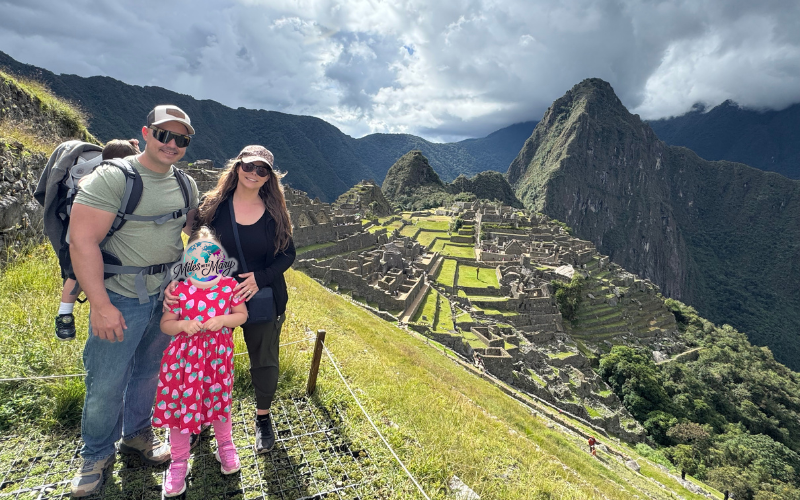
Visiting Machu Picchu with Kids
Day 5: Visiting Machu Picchu with Kids
This is the day everything builds toward.
And if you’ve structured your itinerary the way I recommend, starting from the Sacred Valley, this day is going to feel much more manageable than most people expect.
But it’s still a long day.
And going into it with the right expectations makes a huge difference.
👉 Read More: Best Machu Picchu Tours for Families
What the Day Actually Looks Like
From the Sacred Valley, you’ll start your day in Ollantaytambo, where you’ll take the train to Aguas Calientes.
The train ride itself is part of the experience. You’re following the river through the mountains, and the scenery changes pretty dramatically along the way.
Once you arrive in Aguas Calientes, you’ll take a bus up to Machu Picchu, which is about a 20–30 minute ride up a series of switchbacks.
From there, you’ll enter the site and begin your visit.
It sounds straightforward, but when you put it all together, it becomes a full day of moving parts:
train schedules, bus lines, entry times, and timing everything correctly.
That’s why planning this day ahead of time matters so much.
Why Starting from the Sacred Valley Makes This Easier
If you were doing this from Cusco, your day would start significantly earlier and include an additional few hours of travel each way.
That’s where things can start to fall apart, especially with kids.
By staying in the Sacred Valley, you:
shorten your travel time
avoid an extremely early wake-up
and make the overall experience much smoother
We made the mistake of doing this from Cusco, and it turned what should have been a long but manageable day into something much more exhausting.
It didn’t ruin the experience, but it made it harder than it needed to be.
Do You Need a Guide at Machu Picchu?
This is one of the most common questions.
Technically, you can walk through Machu Picchu on your own.
But in my opinion, having a guide makes a big difference.
Without one, it’s easy to walk through and not fully understand what you’re seeing.
With a guide, the site feels more meaningful, and you get context that you just wouldn’t pick up on your own.
👉 View Machu Picchu guided tours and availability here
Just make sure you already have your entrance tickets booked separately, because those are not included with most tours and they sell out quickly.
👉 Read More: Best Machu Picchu Tours for Families
What to Know Before You Go
Machu Picchu isn’t something you can just show up and do last minute.
There are a few key things you need to plan in advance:
your train tickets, your bus tickets, and your entrance tickets.
Entry is based on specific circuits and time slots, and some of the most popular options, especially Circuit 2, can sell out quickly.
If you want a full breakdown of how to book everything step by step:
👉 Read: How to Book Machu Picchu with Kids (Step-by-Step Guide)
Is Machu Picchu Worth It with Kids?
This is another question that comes up a lot.
And honestly, I think it depends on expectations.
It’s a long day, and there are a lot of moving parts. You’re dealing with early mornings, transportation, and a decent amount of walking.
But at the same time, it’s one of those places that really does feel different in person.
Even with kids, it felt special.
Would I do it again the same way?
I would still go, but I would absolutely structure the trip around making this day as easy as possible.
And that’s really the key.
Machu Picchu itself isn’t the problem.
It’s how you plan around it that determines whether the day feels smooth or stressful.
After Your Machu Picchu Visit
After you finish at Machu Picchu, you’ll head back down to Aguas Calientes, then take the train back to the Sacred Valley.
This is where having a slightly later train can actually help.
It gives you some buffer time in case things run behind, and it takes the pressure off trying to rush through the site.
By the time you get back to your hotel, it’s been a full day.
This is not the night to plan anything else.
Day 6: Return to Cusco from the Sacred Valley
After your Machu Picchu day, this is more of a transition day, but it’s an important one.
You’ll be heading from the Sacred Valley to Cusco, which is usually about a 1.5 to 2-hour drive depending on where you’re staying.
And at this point in the trip, this move feels very different than it would have earlier.
Because now, your body has had time to adjust.
This is exactly why this itinerary is structured the way it is.
If you had gone straight to Cusco at the beginning of the trip, this is where you might have started feeling the effects of altitude.
But by doing the Sacred Valley first, Cusco tends to feel much easier and more manageable.
Read more: Best Things to Do in Cusco with Kids
What to Expect in Cusco
Cusco feels completely different from the Sacred Valley.
It’s more crowded, more energetic, and more built up.
After a few slower days in the Sacred Valley, this shift is actually a nice change of pace.
But I would still keep this day relatively light.
You’ve just come off a long travel day to Machu Picchu, and even though the drive to Cusco isn’t that long, it’s still another transition.
This is a good day to:
check into your hotel
walk around the historic center
grab a relaxed dinner
and take in the atmosphere without rushing
Where to Stay in Cusco with Kids
Cusco has a lot of great hotel options, especially if you’re using points.
We stayed at the Palacio del Inka, and it was one of the highlights of our trip.
It’s a really unique property, centrally located, and worked extremely well for a short stay.
If you’re booking with points or using hotel credits, this is a great place to take advantage of them.
👉 Browse Cusco hotel options here
If you want a full breakdown of the best areas and hotels:
👉 Read: Where to Stay in Peru with Kids (Best Areas + Hotels)
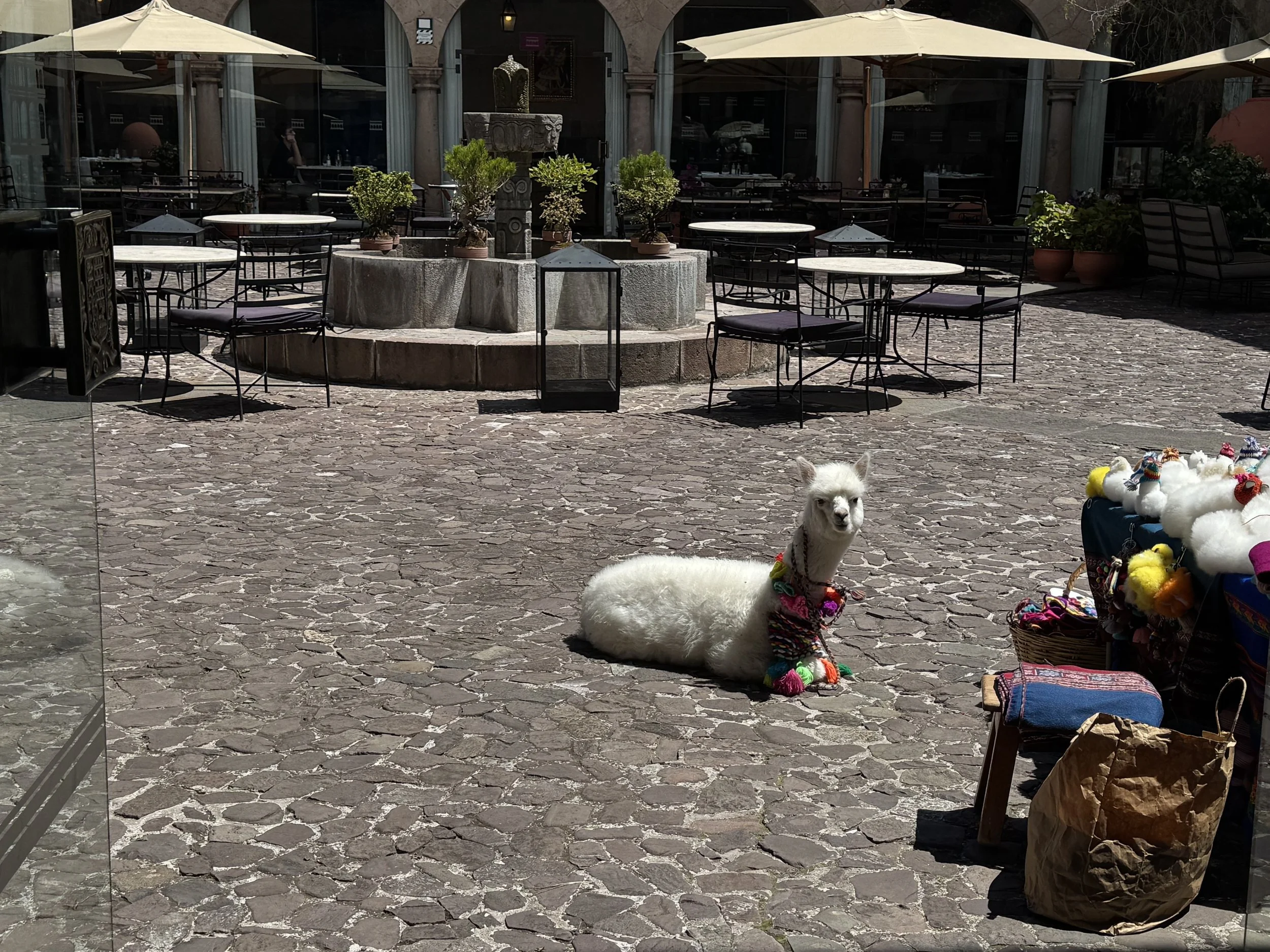
The Palacio del Inka has a courtyard where you can often find baby alpacas for your children to pet and interact with
Why This Day Matters
It might not seem like a big day, but it plays an important role in how the trip flows.
You’re moving from:
the slower pace of the Sacred Valley
into a more city-focused experience
And because you’ve already adjusted to altitude, you can actually enjoy Cusco instead of just trying to get through it.
Read more: Best Things to Do in Cusco with Kids
Keep Expectations Low
One mistake I see people make here is trying to pack too much into this day.
They’ll plan tours, activities, and a full itinerary immediately after Machu Picchu.
And it usually ends up feeling rushed.
Instead, treat this as a reset.
You’ve already done the hardest part of the trip.
Now you can slow down a bit and enjoy the last few days.
Day 7: Return to Lima and Prepare for Departure
Your final day is about getting back to Lima and setting yourself up for a smooth trip home.
You’ll take a domestic flight from Cusco back to Lima, which is usually just under two hours.
Depending on your international flight, you may be flying out the same night or staying one more night in Lima before heading home.
What to Do with Your Last Day
If you have time and energy, this can be a nice opportunity to enjoy one last relaxed moment of the trip.
You can walk around Miraflores again, grab a good meal, or just enjoy a slower pace before heading home.
But I wouldn’t plan anything major here.
By this point, you’ve:
traveled between multiple regions
adjusted to altitude
done Machu Picchu
This is not the time to pack in one last full day.
👉Best Things to Do in Lima with Kids (Family-Friendly Guide + What’s Actually Worth It)
Where to Stay for Your Final Night
This comes down to your flight timing.
If you want a nicer final evening, staying in Miraflores again is a great option. It’s safe, easy to navigate, and gives you a more relaxed end to the trip.
But if you have an early morning flight or a late arrival into Lima, staying at the airport is usually the better move.
And this is where I would make the same recommendation again.
Stay at the Wyndham Grand Costa del Sol Lima Airport.
It’s directly connected to the airport, which means:
no transportation needed
no dealing with traffic
no safety concerns late at night or early in the morning
👉 Check current pricing here for the Wyndham Grand Costa del Sol Lima Airport.
It’s one of those small decisions that makes the end of your trip significantly easier.
Timing Your Flight Home
If you can, I would avoid booking a tight international connection on the same day you fly back from Cusco.
Delays can happen, and adding stress at the very end of your trip is not worth it.
That’s why I like building in this final night in Lima. It gives you buffer time and makes everything feel more relaxed. In fact, on the day that we were flying back from Cusco to Lima, all of the morning flights leaving Cusco were cancelled because of weather. Thankfully we had an afternoon flight, so we did not experience any delays. But this is a prime example of why you should always leave a lot of buffer room when you are repositioning in prep for a long-haul flight.
Wrapping Up the Trip
At this point, you’ve:
explored Lima
experienced the Sacred Valley
visited Machu Picchu
spent time in Cusco
And you’ve done it in a way that actually works with kids.
Not rushed. Not overpacked. Not exhausting.
Just structured in a way that makes the trip smoother from start to finish.
If You Have 10 Days in Peru with Kids
If you have 10 days in Peru instead of 7, I would not use that extra time to add a bunch of new destinations.
I would use it to slow this exact itinerary down.
That’s the mistake people make with Peru. They see extra days and immediately start adding more places. But with kids, altitude, and all the transportation logistics, the better move is usually to make the trip smoother, not busier.
For a 10-day Peru itinerary with kids, I would do:
Two nights in Lima, four nights in the Sacred Valley, three nights in Cusco, and one final night in Lima before flying home.
That gives you more breathing room in each place without changing the overall flow of the trip.
Add One Extra Night in Lima
With 10 days, you can spend two nights in Lima at the beginning instead of one.
This gives you a little more time to recover from travel and actually enjoy the city without feeling like you’re rushing straight back to the airport.
I still wouldn’t make Lima the focus of the trip, but with an extra night, you can explore Miraflores, walk along the coast, visit Barranco, or enjoy more of Lima’s food scene.
If you’re staying in the city, I would stay in Miraflores because it’s the easiest and most family-friendly area for a short visit.
👉Best Things to Do in Lima with Kids (Family-Friendly Guide + What’s Actually Worth It)
Add One Extra Night in the Sacred Valley
This is where I would prioritize extra time.
Instead of three nights in the Sacred Valley, I would stay four.
That extra night gives you more flexibility for Machu Picchu, more time to adjust to altitude, and more space to enjoy the Sacred Valley instead of treating it like a quick stop.
You could use the extra time to visit Moray and the Maras Salt Mines, explore Ollantaytambo more slowly, book a guided Sacred Valley tour, or just enjoy the views.
👉 View guided Sacred Valley tours and current availability here
This is also the part of the trip where slower travel pays off the most.
Add One Extra Night in Cusco
For a 10-day trip, I would spend three nights in Cusco instead of two.
By this point, you should be better adjusted to the altitude, so Cusco becomes much easier to enjoy.
That extra night gives you more time to explore the historic center, visit markets, enjoy the food, and not feel like you’re rushing through the city before heading back to Lima.
👉 Browse Cusco hotel options here
Read more: Best Things to Do in Cusco with Kids
Keep the Final Night in Lima
Even with 10 days, I would still keep the final night in Lima.
I know it’s not the most exciting part of the itinerary, but it makes the trip home much smoother.
Since most international flights leave from Lima, building in that final night gives you a buffer in case of domestic flight delays and keeps you from stressing over a tight connection.
If your flight is early or you just want convenience, I’d stay at the Wyndham Grand Costa del Sol Lima Airport since it’s connected directly to the airport.
👉 Check current pricing for Wyndham Grand Costa del Sol Lima Airport here
Why I Wouldn’t Add More Destinations
With 10 days, it can be tempting to add another region of Peru.
But for a family trip, I wouldn’t.
Peru already has a lot of moving parts. You’re dealing with flights, transfers, trains, altitude, and early mornings. Adding another destination might look good on paper, but it can easily make the trip feel more exhausting.
For families, the better 10-day Peru itinerary is not necessarily the one that covers the most ground.
It’s the one that gives you enough time to actually enjoy where you are.
Biggest Mistakes to Avoid When Planning a Peru Trip with Kids
Even with a solid itinerary, there are a few common mistakes that can make this trip much harder than it needs to be, especially with kids.
I won’t go into full detail here, but these are the biggest ones to watch out for:
Spending too much time in Lima
Not staying in the Sacred Valley long enough
Trying to do Machu Picchu from Cusco
Underestimating altitude
Overpacking the itinerary
These might seem small, but they can completely change how your trip feels once you’re there.
👉 I break all of these down in detail here:
We Took Our Kids to Peru… Here’s What I’d Do Differently
Final Thoughts: Planning a Peru Trip with Kids
Planning a trip to Peru with kids can feel overwhelming at first.
There are a lot of moving parts, and it’s not always obvious how everything fits together.
But once you understand the structure, it becomes much more manageable.
This itinerary works because it keeps things simple.
You start in Lima, go straight to the Sacred Valley to adjust to altitude, visit Machu Picchu from the closest and easiest location, then finish in Cusco once your body is ready for it.
You’re not rushing between places. You’re not trying to do everything at once.
You’re just following a flow that actually works.
And that makes a bigger difference than anything else on this trip.
If I Were Planning This Trip Again
If I were starting from scratch, this is exactly how I would structure it.
Not because it’s the most packed itinerary, but because it’s the one that feels the best once you’re actually there.
It gives you enough time to experience each place, without turning the trip into something exhausting.
Especially with kids.
Start Here if You Want to Plan This Trip
If you want to actually put this itinerary into action, the next step is figuring out how to book it.
Flights and hotels are where most of the cost comes from, and that’s where points and miles can make the biggest difference.
👉 How to Book Peru with Points (Flights, Hotels, and Strategy)
👉 How Much Does a Peru Trip Cost for a Family? (Points vs. Cash Breakdown)
👉 How to Book Machu Picchu with Kids (Step-by-Step Guide)
👉 We Took Our Kids to Peru… What I’d Do Differently
👉 Where to Stay in Peru with Kids: Lima, Sacred Valley & Cusco (Best Areas + Hotels)
👉 Sacred Valley, Peru with Kids: What to Do + Family Travel Tips
👉Best Things to Do in Lima with Kids (Family-Friendly Guide + What’s Actually Worth It)
👉 Best Things to Do in Cusco with Kids
👉 Best Machu Picchu Tours for Families
👉 Best Sacred Valley Tours for Families
New to Points and Miles?
If you’re new to all of this and want to learn how to use points and miles to take trips like this:
👉 Grab my free beginner’s guide to points and miles
Final Thought
Peru is one of those trips that’s absolutely worth the effort.
And when you structure it the right way, it doesn’t have to feel complicated.
It can actually feel easy.